Key takeaways
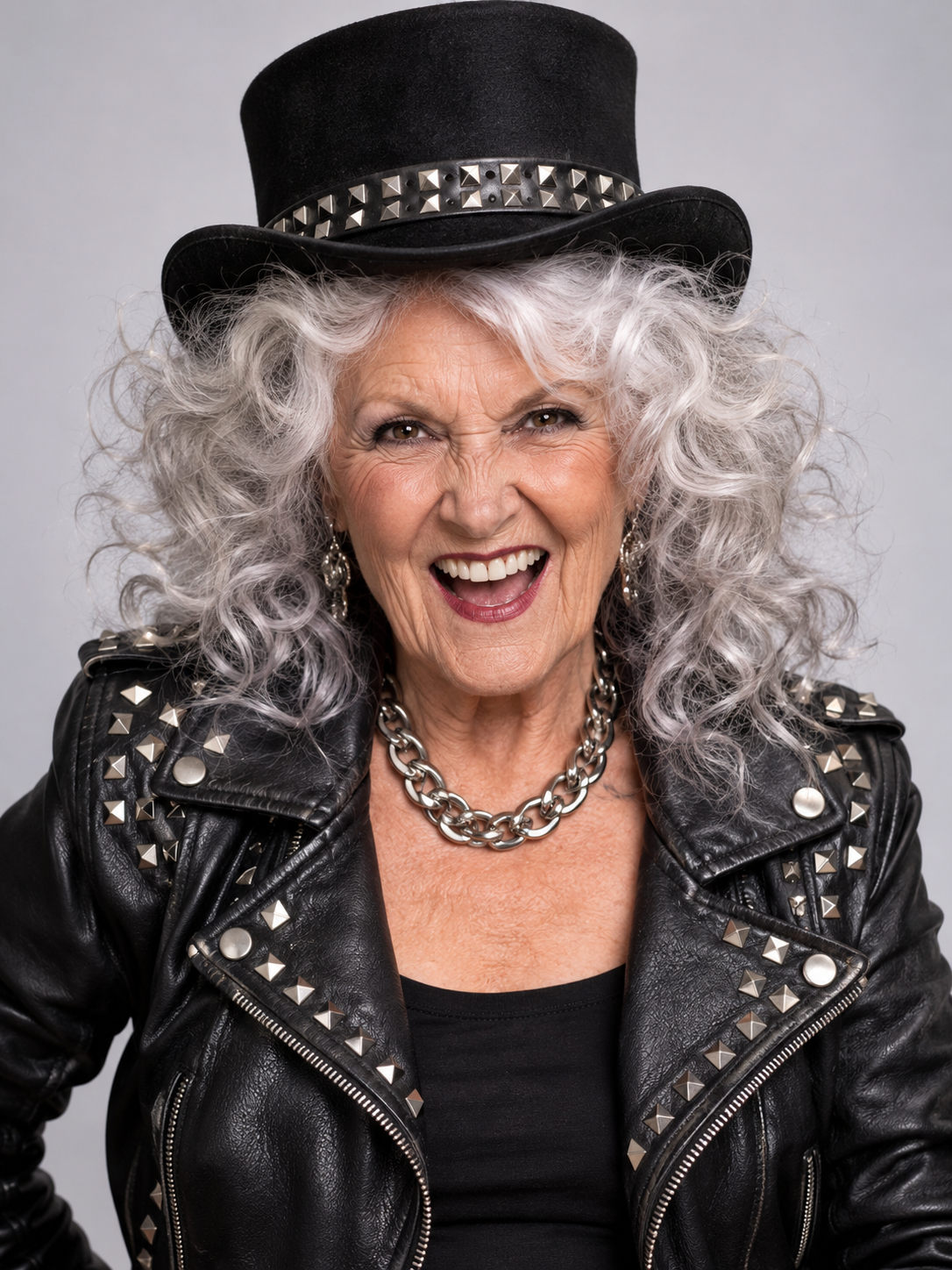
- Use one adult subject with visible eyes, hair, shoulders and upper body.
- Front-facing or three-quarter portraits are safer than extreme profiles.
- Even light and clear separation between hair and background help identity hold up.
- Avoid groups, masks, sunglasses, motion blur and very tight crops.
The ideal portrait at a glance
The best input looks ordinary: one adult, a clear face, a natural expression and enough room around the head and shoulders. The model has to carry that identity through tight close-ups and much wider guitar shots, so the photo must explain both the face and the overall upper-body shape.
A studio headshot is not required. A recent phone portrait can work well when it is sharp, evenly lit and not covered by filters. The original file is better than a screenshot copied from a social app because it preserves more detail.
Use a head-and-shoulders or upper-body crop
Leave the full hairstyle visible and include the shoulders and upper torso. The reference performance contains a guitar across the body, so a source that explains the chest, shoulder line and arm area gives the model better context than a face-only crop.
Do not leave the subject tiny inside a landscape photo. Cropping closer before upload can help, but keep some margin around the head. If the hair or forehead touches the image edge, the generated close-up may invent the missing shape.
- Good: face fills roughly one-third of the frame
- Good: both shoulders are visible
- Good: hair and head have breathing room
- Avoid: face-only crop below the chin
Choose a stable angle and natural expression
Front-facing and gentle three-quarter angles expose both eyes and most of the facial structure. Extreme side profiles hide one eye, compress the nose and jaw, and give the model fewer cues when the reference camera turns.
A neutral or lightly confident expression is more flexible than an exaggerated open-mouth pose. The reference motion supplies performance energy; the source photo mainly needs to supply identity.
Light the face evenly and separate the hair
Soft daylight from in front of the subject is a reliable choice. Strong backlight, deep shadow across one side of the face or colored nightclub light can change skin tone and hide the eye area. The generated scene already has its own dramatic desert lighting, so the input does not need to imitate it.
Choose a background that contrasts with the hair and shoulders. Dark hair against a black wall or light hair against an overexposed window can blur the outline the model needs to preserve.
Keep clothing readable and accessories simple
The current generation contract asks the model to keep the subject's outfit. A visible neckline, jacket or shirt helps that instruction. Busy patterns may change during motion, while simple solid clothing is usually easier to carry across frames.
Remove sunglasses, masks and anything covering the face. Large hands near the chin, hair across both eyes or a phone in front of the body can compete with the guitar and create avoidable shape errors.
A 30-second photo scorecard
Before uploading, give the photo one point for each check below. Five or six points is a strong candidate; three or fewer means another photo is likely worth the effort.
- Only one adult appears
- Both eyes and the full hairstyle are visible
- The image is sharp at normal size
- Shoulders and upper body are included
- Light is even across the face
- Nothing important touches the crop edge
Common questions
Can I use a selfie?
Yes, if it is sharp, evenly lit and not distorted by an extreme wide-angle camera.
Does the photo need a guitar?
No. The reference supplies the guitar and performance. A normal unobstructed portrait is better.
Can I use an old or scanned photo?
It can work if the face is sharp and undamaged. Restore severe scratches or blur before upload rather than expecting video generation to repair them.
Should I use 720p for a blurry photo?
Higher output resolution cannot recover identity detail missing from the source. Choose a better portrait first.
Sources and product evidence
Product behavior, credit costs and input requirements are verified against the live project configuration and its validated example. Historical context uses the sources below.